
Contact
Contact Info
Feel free to contact us anytime for inquiries or assistance.
- [email protected]
- Youtube
- Twitter / X
- +86 13269777769
- +86 03184627096
- Mon - Fri : 9AM - 5PM
Leave us your message
Our Locations
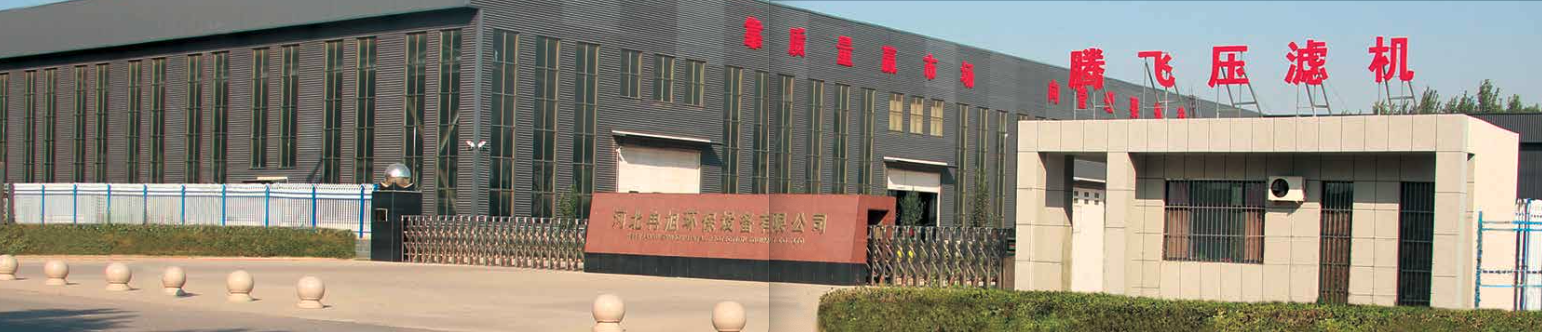
We would be honored to welcome you to our factory. Kindly advise us in advance so we can arrange your visit properly.
- Ranxu Filter Press Co. Ltd, North Industrial Zone, Fucheng, Hengshui, Hebei, China
- Ranxu Filter Press Co. Ltd, Zone Industrielle Nord, Fucheng, Hengshui, Hebei, Chine
- Ranxu Filter Press Co. Ltd, Kawasan Industri Utara, Fucheng, Hengshui, Hebei, Tiongkok
- 中国河北阜城县城北工业区,冉旭环保设备有限公司
Frequently Asked Questions
Proper shutdown directly affects the filter press’s service life and subsequent working efficiency, so shutdown procedures must never be neglected. Maintenance is mandatory right after shutdown.
The equipment cannot be left unattended after filtration. Our company recommends the following steps after power-off to guarantee smooth restart next time.
First, drain all residual filtrate inside the machine. Remaining liquid will dry and harden into solids while standing, clogging key components, causing startup faults or filter cloth rupture. Flush leftover filtrate fully to avoid solidification or chemical deterioration.
Keep filter cloth moist after use. High pressure and filtrate alter cloth structure; dry cloth shrinks severely, reducing solid retention performance and accelerating damage. Carry out cloth maintenance promptly upon shutdown.
In addition, prevent water ingress into the hydraulic station to avoid hydraulic oil deterioration. Inspect and maintain hydraulic seals after every shutdown.
Filter presses feature outstanding wastewater treatment capacity and can handle diverse types of wastewater steadily, though the feed pump endures heavy working load during feeding. The filter cloth efficiently traps contaminants to produce clear filtrate.
Water evaporation is inevitable under high operating temperatures and cuts down actual processing efficiency to some extent. Volume loss caused by evaporation is a normal occurrence in practical production. Monitoring ambient climate conditions during operation helps prolong equipment service life, an item frequently overlooked in daily production which requires extra attention.
Residual sludge and solid deposits accumulate inside the unit after long-term operation. Continuous contact with filtrate plus high working pressure makes solid particles adhere tightly to filter cloth. Without timely cleaning, filter cloth clogging leads to lowered efficiency, shortened service life and even cloth burnout. Regular cleaning is therefore essential for sludge filter presses, with standard cleaning steps listed below:
Check filter cloth material characteristics before cleaning to adopt proper washing solutions:
Alkali-resistant filter cloth: soak in weak alkaline solution for 10–24 hours, fully rinse with clean water, air-dry to 90% dryness before reinstallation and operation.
Acid-resistant filter cloth: replace soaking solvent with mild acid solution instead.
1. Oil leakage from piston seals inside hydraulic cylinder
External oil leakage inside the cylinder cannot be seen visually, making it difficult to check tightness and identify worn or damaged sealing rings.
Inspection method: Pressurize the cylinder until it stops extending and pressure stabilizes. Disconnect the return oil pipe from the cylinder connector. Continuous hydraulic oil outflow from the connector with stationary piston confirms damaged piston seal requiring replacement. This replacement work is complicated; perform maintenance under manufacturer’s guidance to avoid safety hazards.
2. Fault of electromagnetic directional valve
Remove inlet and outlet pipelines connected to the cylinder, then toggle the solenoid valve to check internal leakage. Excessive internal leakage needs seal cleaning or replacement after kerosene washing. Minor internal leakage may not reduce oil pressure but causes irregular cylinder reciprocation. Long-term impact shortens the valve pushrod or wears contact points between armature and pushrod, resulting in insufficient reversing stroke of the spool.
3. Insufficient hydraulic oil level
The filter press hydraulic system works under continuous high clamping pressure, which inevitably causes minor oil seepage from seals. Besides, natural evaporation of hydraulic oil after long operation lowers the liquid level in the oil tank. Once the oil level is too low, the oil pump fails to draw No.46 or No.68 hydraulic oil; replenish hydraulic oil promptly in such cases.
Diaphragm filter presses reduce filter cake moisture via secondary squeeze dewatering, representing an upgrade over conventional chamber filter plates. Instead of standard polypropylene composite, diaphragm filter plates adopt purer, more flexible plastic raw material, enabling tens of thousands of repeated compression cycles without cracking or deformation. Unlike recessed chamber plates, these plates feature a flat structural design. While conventional chamber filter plates have inward concave surfaces to boost friction between plates and filter cake for filtration support, diaphragm plates are engineered with a hollow sealed cavity in the center. When the cavity is filled with pressurized medium, internal pressure exceeds external ambient pressure to expand the diaphragm, squeezing the filter cake sandwiched between adjacent plates and effectively cutting residual moisture content.
High pressure is required during diaphragm filter press filtration, yet standalone hollow diaphragm plates cannot bear full operating load. To resolve this, diaphragm plates and solid chamber plates are arranged alternately following the layout of plate-and-frame filter presses. This alternating configuration withstands primary feed filtration pressure and facilitates subsequent secondary squeezing.
Piping is installed externally on filter plates to deliver pressurized medium into every hollow diaphragm cavity for cake compression.
Overheating severely hinders operator work and alters filtrate properties to impair solid-liquid separation, so excessive operating temperature must be closely monitored during operation. Though bearings are small auxiliary components, overheating combined with wastewater and sludge erosion in daily service easily damages bearings and compromises overall equipment performance of diaphragm filter presses.
The diaphragm filter press relies on its hydraulic system to generate substantial clamping force on filter plates. Only under such force can adjacent filter plates form sealed filter chambers required for normal operation, meaning a batch of filter plates work under high clamping pressure. Once the working pressure exceeds the plate’s design tolerance unexpectedly, filter plates are prone to cracking and damage, resulting in high maintenance expenses. To cut unnecessary maintenance costs, users need to implement preventive measures in advance: regulate operating pressure, prevent plate abrasion, and perform regular inspections to spot emerging cracks, as newly formed cracks indicate potential plate rupture risk.
The raised sealing rims around diaphragm plates suffer frequent abrasion during cake discharging. Severe rim wear breaks the tight sealing of filter chambers after plate assembly, allowing pressurized fluid inside chambers to leak or spurt out. The escaping fluid further accelerates rim erosion and eventually leads to complete filter plate failure.
Diaphragm filter presses often operate in harsh environments containing acid fumes, alkaline dust and kerosene vapor. Long-term exposure to these corrosive substances corrodes electrical components, triggering electrical malfunctions and unresponsive control buttons. When control buttons fail to actuate the equipment, inspect the button structure and contact points first.
Inspection procedure: Press the corresponding control button and check if the matching indicator light of the PLC input terminal illuminates. A lit lamp confirms the button is functional; no illumination means faults exist in the button or its connected wiring terminals.